
The coming-home ritual
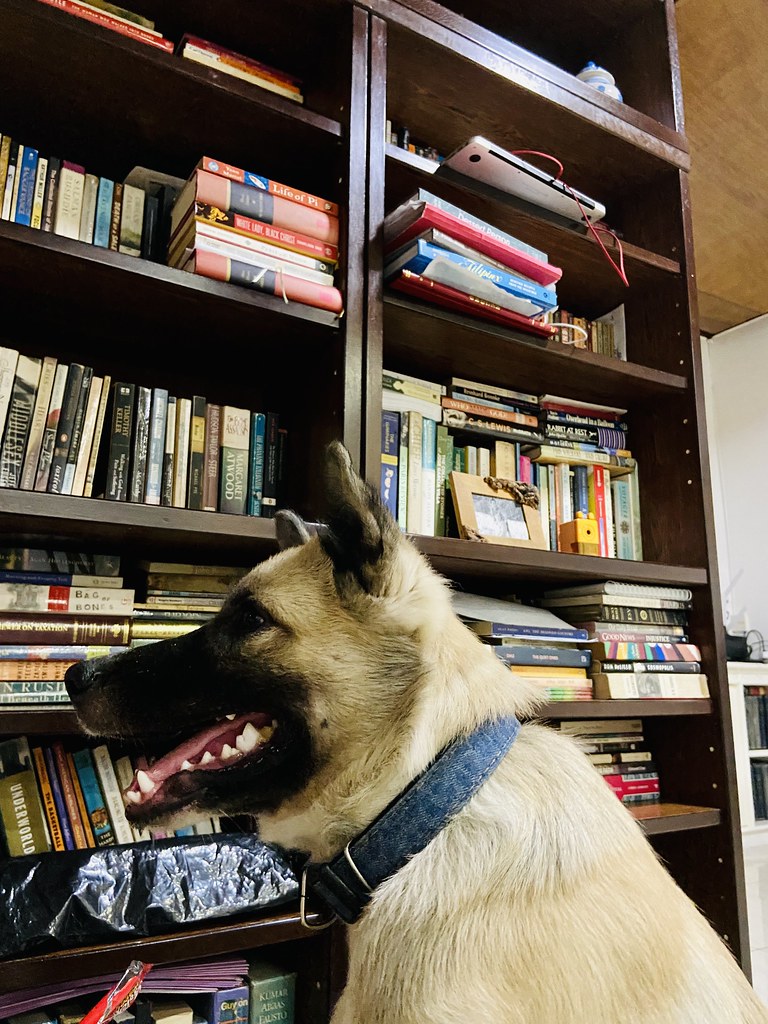
Coming home from work, where two lovely patients had just died, I am welcomed by Paul in the garage, his nose toward me, his body crouched near the ground, just as I open the car door. I give him a belly rub, which leads him to roll over, enjoying the sensation of human contact. "How are you, my boy?" I ask. He responds by choking on his saliva, his tongue wagging. After two minutes of this welcome, he follows me as I enter the house. Distracted by the clanging sounds in the kitchen, he leaves me and bothers whoever happens to be there. Paul's love language is bothering humanity.
Dogs are God's gift to us. Despite the nightly destruction of Nanay's cherished plants and cacti and the tearing away of shoe laces and chewing of electric cords, Paul brings to our home a youthful joie de vivre, a reminder to not take things too seriously.
Now—where is he?!
How to manage chemotherapy side effects: a guide to general internists
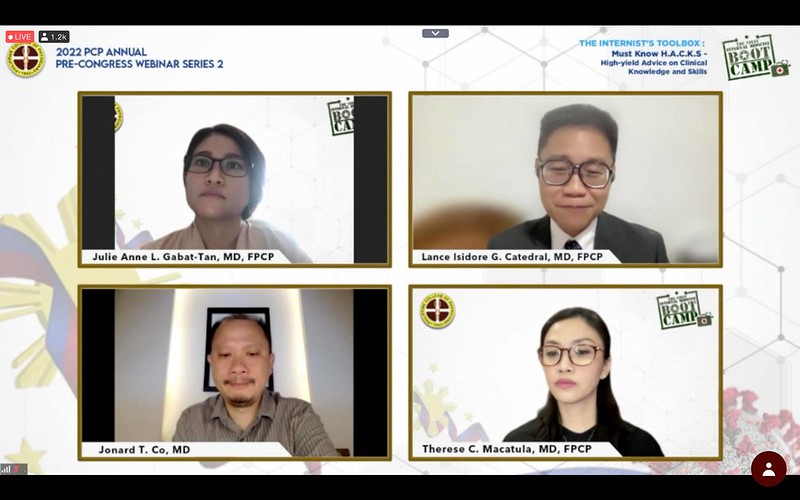 Image credit: Dr. Jeriko Aguirre, who took a screenshot.
Do not make premature judgments
I love this line from the concluding pages of the chapter, The Fast Train to Canton, which appears halfway through the book, Riding the Iron Rooster, by Paul Theroux.
It made me think that you never really know anyone until you have traveled 10,000 miles in a train with them. I had sized them up in London, but they were all better and worse than they had seemed then, and now they were beyond criticism because they had proved themselves to be human.
Notebooks and first chemo sessions
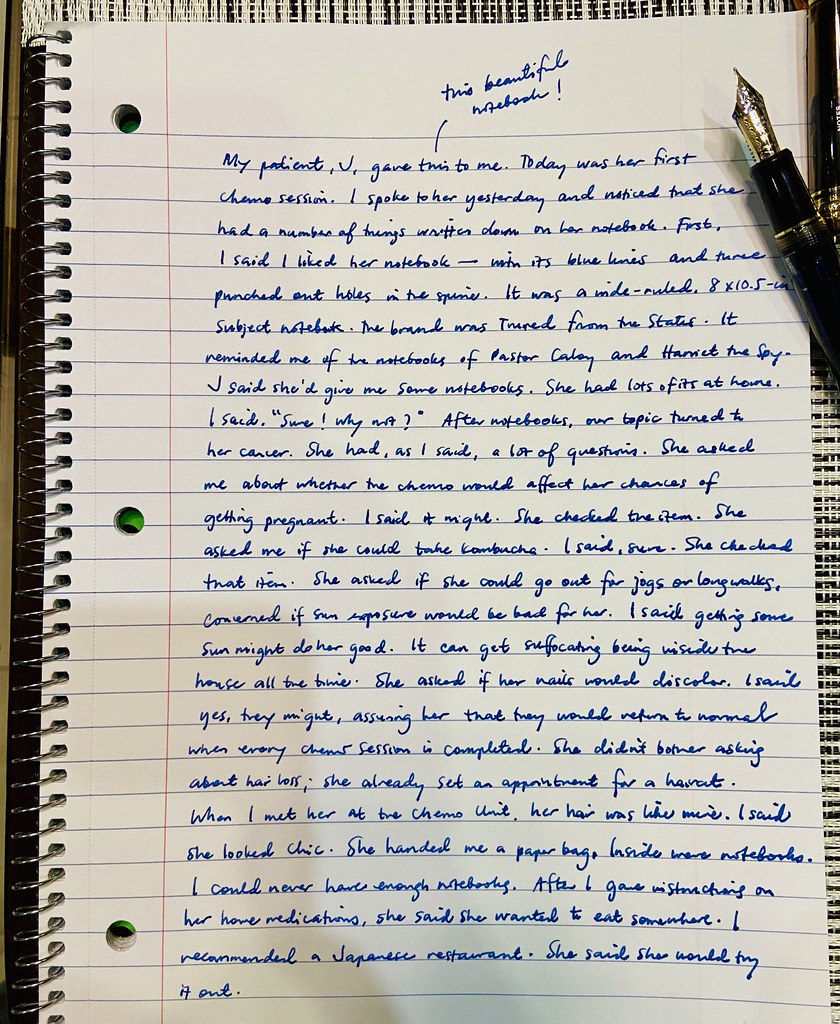
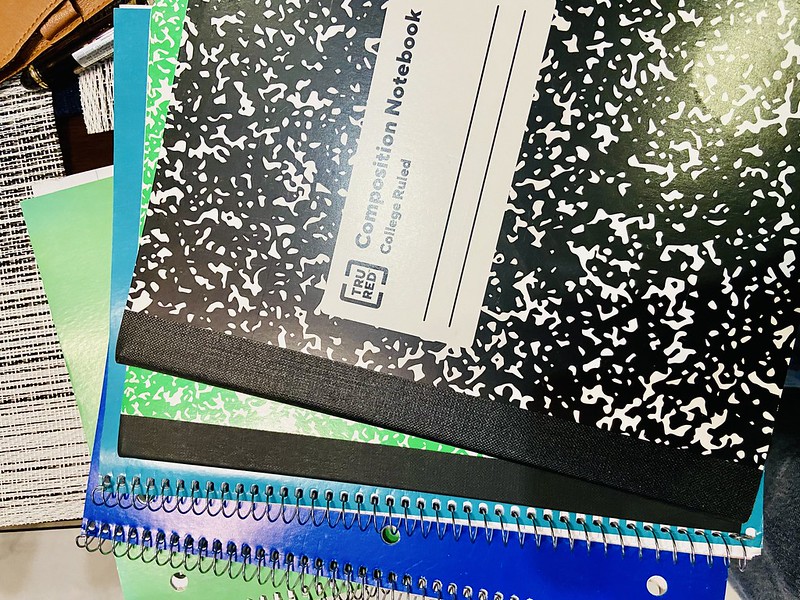
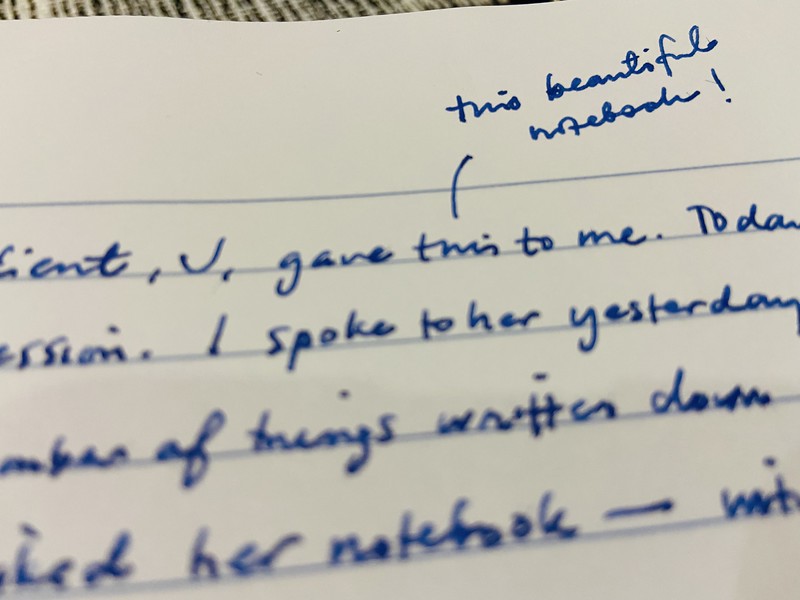
It's appropriate that my first entry in my new notebook is about my remarkable patient, a woman around my age, who gave it (and a few others) to me today. I love composition notebooks. In fact, I love notebooks in general. I use a Traveler's Notebook (passport size) for my personal journals. I use composition notebooks for my consultancy and faculty work. The wide lines are great for jotting down first drafts of my stories, many of which will never see the light of day. The pages are fountain pen friendly. See my writing sample below. I used a Pilot Custom 823 (Amber) with the classic blue Pilot ink owned by my brother Sean.
Innovative ways of disseminating research: an argument for blogs and podcasts in cancer research

I talked to Filipino medical oncologists about innovative ways of disseminating cancer-related research information last Saturday. I argued that, as part of knowledge translation/mobilization, it is important that researchers, clinicians, and people involved in knowledge generation and dissemination must creatively, proactively, and intentionally think about how to share their knowledge more effectively to their colleagues and the public at large. I talked about blogging—academic blogging—as a tool to accomplish that. I also spoke about podcasting—using recorded audio to tell stories—and conducted a workshop on how to record and edit audio files using Audacity. I've never done anything like this before—much less through an online interactive platform. Many thanks to Merck and to Dr. Mary Manalo, my boss in the research committee of the Philippine Society of Medical Oncology, for the opportunity to talk about a topic so very close to my heart. I love reading blogs and listening to podcasts. My presentation was an overflow of my fascination.
Here's a copy of my slide set.
Summer fruit


The mango tree bears much fruit this summertime. Nanay snapped this on Sunday morning, 30 minutes before the start of the worship service, when the church parking lot was not yet packed. (It has been a long time since I had last shared Nanay's photos in this site. You see, years ago, I synced her phone to auto-upload photos in my Flickr account, an arrangement that gives me access to the goings-on in her life, which mostly revolves around family, friends, and church.) I love mango trees, not just because of their fruit but because anywhere they are planted, they offer a comforting shade and coolness, a respite from the tropical Mindanao heat. I look forward to see this mango tree grow up and flourish.
The Hiligaynon word for the day is búnga, which means "fruit."